
How to Build the Perfect LED Light Therapy Routine (And Actually Stick to It)
You’ve bought the mask. You’ve unboxed it, charged it, taken a selfie in it, and used it three times. Then life happened, and now it’s sitting on your bathroom shelf collecting dust.
Sound familiar? You’re not alone. The number one reason people don’t see results from LED light therapy isn’t the device; it’s the routine. Or rather, the lack of one.
The good news? Building an effective LED therapy routine is far simpler than most skincare regimens. No 12-step process. No layering five serums in the right order. Just consistent, short sessions that fit into your existing habits.
Here’s how to build a routine that works and, more importantly, one you’ll actually keep up.
Why Routine Matters More Than Session Length
There’s a common misconception that longer sessions deliver faster results. They don’t. LED light therapy works through cumulative cellular stimulation; each session nudges your skin’s natural repair processes forward. Skip sessions, and you’re essentially resetting that progress.
Think of it like exercise. A 15-minute walk every day will do more for your health than a single two-hour gym session once a month. LED therapy follows the same logic: consistency beats intensity every time.
Clinical research into low-level light therapy (LLLT) consistently shows that regular, moderate-duration sessions produce the strongest outcomes for collagen production, inflammation reduction, and skin texture improvement. The keyword there is regular.
Step 1: Choose Your Goal
Before you set a schedule, get clear on what you’re trying to achieve. Different goals benefit from different wavelengths and slightly different session patterns.
| Goal | Best Wavelength | Session Time | Frequency |
| Anti-ageing & collagen | Red (630–660nm) | 10–15 mins | 5–7x per week |
| Acne & breakouts | Blue (415–450nm) | 10–15 mins | 3–5x per week |
| Inflammation & redness | Red + NIR (830nm) | 15–20 mins | 4–5x per week |
| Overall skin health | Multi-wavelength | 10–15 mins | 4–5x per week |
| Pain & muscle recovery | Red + NIR / Laser | 15–25 mins | 3–5x per week |
Not sure which wavelength your device covers? The Trendlox TX LED Mask combines red, blue, and near-infrared light in a single device, so you’re covered across multiple goals without needing separate tools.
Step 2: Anchor It to an Existing Habit
The most effective way to build any new habit is to attach it to something you already do every day. Behavioural scientists call this “habit stacking,” and it’s the single best trick for making LED therapy stick.
Here are three anchors that work well:
Morning coffee anchor: Cleanse your face, put on your LED mask, and wear it while your coffee brews and you check your phone. By the time you’re done scrolling, your session is finished.
Evening skincare anchor: After you remove your makeup and cleanse, use your LED device before applying your night serum or moisturiser. It takes the same time as waiting for a sheet mask to work, except the results compound over weeks.
Wind-down anchor: Use your mask while watching TV, reading, or listening to a podcast before bed. The red light won’t interfere with sleep (unlike blue-emitting screens) and may actually support your wind-down routine.
| 💡 Pro TipSet a recurring alarm on your phone labelled “LED time” for the first two weeks. After that, it becomes automatic. Most Trendlox users report that the habit feels natural within 10–14 days. |
Step 3: Prep Your Skin Properly
LED light therapy works best on clean, bare skin. The light needs a clear path to your skin cells, so anything sitting on the surface can reduce effectiveness.
Before your session: Remove all makeup, sunscreen, and heavy moisturisers. A simple water-based cleanser is ideal. You don’t need to exfoliate, just make sure the skin is clean and dry.
What to avoid: Thick creams, oils, and physical sunscreen containing zinc oxide or titanium dioxide can reflect or block light wavelengths. Mineral sunscreen in particular acts as a literal light barrier, which is exactly what you don’t want during an LED session.
After your session: This is actually the best time to apply your serums and moisturisers. LED therapy increases blood flow to the skin’s surface and may enhance absorption of active ingredients. Apply your hyaluronic acid, vitamin C, or retinol straight after your session for maximum benefit.
Step 4: Follow the Right Schedule for Your Skin
Here’s a simple framework to follow, whether you’re just starting or you’ve been using LED therapy for a while.
Weeks 1–2: The Foundation Phase
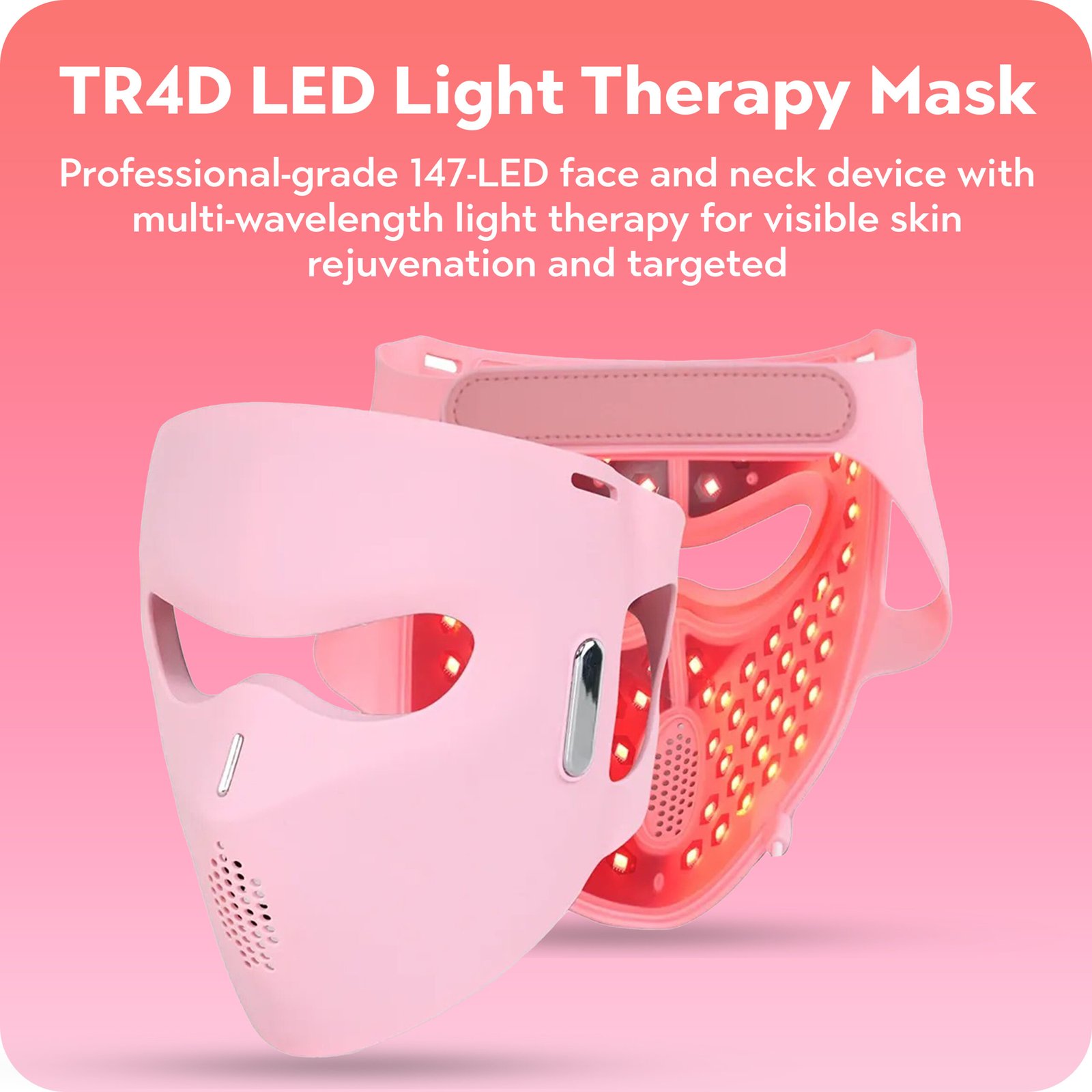
Start with 3–4 sessions per week, 10 minutes each. This lets your skin adjust and helps you establish the habit without feeling like a chore. If you’re using a multi-wavelength device like the TR4D LED Mask (£249), start with the red light setting.
Weeks 3–6: The Building Phase
Increase to 5 sessions per week, 10–15 minutes. You may start noticing subtle changes around weeks 3–4—slightly smoother texture, reduced redness, or a more even tone. These are early signs that the routine is working.
Week 7 Onwards: The Maintenance Phase
By now, the routine should feel automatic. Maintain 4–5 sessions per week. Some people move to daily sessions and love it; others find every other day works perfectly. Listen to your skin. If you notice any sensitivity or dryness, scale back slightly.
| 🔑 Key PointMost clinical studies on LED light therapy show measurable results at the 8–12 week mark with consistent use. If you quit at week 3 because you don’t see dramatic changes, you’re stopping right before the results start to show. |
Step 5: Track Your Progress
One of the biggest routine-killers is feeling like nothing is happening. LED therapy produces gradual changes; you see your face every day, so improvements are easy to miss.
Fix this with a simple tracking method:
Photo journal: Take a photo in the same lighting, same angle, once a week. After 4–6 weeks, compare your week 1 photo to your latest. The difference is usually more visible in photos than in the mirror.
Skin diary: Note any changes you observe, fewer breakouts, less redness after cleansing, skin feeling firmer, makeup sitting better. These micro-improvements are real progress.
Session log: Simply tick off each session. There’s something satisfying about seeing an unbroken streak, and it reinforces the habit loop.
What About Combining LED Therapy with Other Treatments?
LED light therapy plays well with most skincare routines and treatments. In fact, many professional clinics use LED as a finishing step after facials, microneedling, or chemical peels to support healing and reduce inflammation.
At home, you can safely combine LED therapy with microcurrent devices, gua sha, and most active skincare ingredients. The key is sequencing: use your LED device on clean skin first, then apply your actives afterwards.
If you’re interested in combining LED with microcurrent for both skin rejuvenation and facial toning, the Trendlox Facial Toning & Skin Renewal Device (£69.99) pairs well with any of the LED masks for a comprehensive at-home routine.
The one combination to be cautious with is using LED immediately after strong chemical peels or prescription retinoids if your skin is already irritated. Wait until any active irritation subsides before resuming LED sessions. For a deeper look at daily safety considerations, Cosmetics Arena has a thorough guide on whether LED devices are safe for everyday use that covers this well.
A Sample Weekly Routine
Here’s what a realistic LED therapy week looks like once you’re in the building or maintenance phase:
| Day | LED Session | Notes |
| Monday | 15 mins — Red + NIR | Morning, post-cleanse |
| Tuesday | 10 mins — Blue light | Evening, before serum |
| Wednesday | Rest day | Great day for a gentle exfoliation |
| Thursday | 15 mins — Red + NIR | Morning routine |
| Friday | 10 mins — Blue light | Evening wind-down |
| Saturday | 15 mins — Multi-wavelength | Weekend self-care session |
| Sunday | Rest day | Let your skin recover |
This schedule balances red light for collagen and repair with blue light for bacteria and breakouts, plus two rest days so your skin isn’t overstimulated. Adjust based on your goals. If anti-ageing is your primary focus, swap the blue light days for additional red light sessions.
Choosing the Right Device for Your Routine
Your routine is only as good as the device you’re using. Here’s a quick guide to matching your Trendlox device to your routine needs:
For beginners or budget-conscious buyers: The LP01 2-in-1 LED Light Therapy Device (£79) is compact, easy to use, and a great entry point for building the habit.
For serious skincare enthusiasts: The TX LED Mask or TR4D LED Mask delivers clinical-grade wavelengths across the full face, hands-free. Ideal for the evening anchor routine.
For the all-in experience, the Trendlox TR11 LED Beauty Mask is the flagship, the highest spec in the range, designed for those who want the best results and are committed to a consistent routine.
For pain and recovery: The 2-in-1 Laser Therapy + TENS Device (£249) and Core KT Handheld (£169) are purpose-built for joint pain, muscle recovery, and sports-related soreness. Follow the same routine principles: consistency over intensity.
Ready to Start Your Routine?
The best LED light therapy routine is the one you actually do. Start small, anchor it to a habit you already have, and give yourself at least 8 weeks before judging results.
Browse the full range of Trendlox LED devices at trendlox.com and find the right device for your routine. Every device comes with a usage guide to help you get started from day one.